Winter in Eastern Washington brings freezing temperatures, shifting moisture levels, strong winds, and heavy snow. These conditions arrive like clockwork each year, yet many homeowners do not realize how much strain winter places on their outdoor spaces.
Cold snaps can injure shrubs. Compacted soil can weaken root systems. Ice can stress even well-established trees. Patios and walkways may also crack as water freezes and expands beneath the surface.
The good news? Many of these problems can be prevented before they escalate. Thoughtful winter landscaping maintenance protects your investment and keeps your yard in better condition through harsh weather.
This guide breaks down the top winter landscaping challenges in Eastern Washington and how to keep your yard healthy all season. Let’s jump into it.
1. Freeze Damage to Plants and Shrubs

Even well-established plants can struggle in winter. While many shrubs and perennials in the Tri-Cities area are hardy, sudden temperature drops still create stress. Freeze damage occurs when plant tissues freeze and form ice crystals. This breaks cell walls and leads to wilting, browning, and cracking on stems or branches.
What Causes Freeze Damage and How to Spot It
Mid-winter thaws followed by deep freezes are common in Eastern Washington. These rapid temperature swings leave plants unprepared, especially if the ground is exposed.
Homeowners may notice leaves that wilt or turn brown, bark that splits, or stems that feel soft or mushy. Evergreens may develop yellow or brown patches. Damage is often most visible after a cold snap, so periodic inspection helps catch problems early.
How to Prevent Freeze Damage
Several landscaping maintenance tasks can reduce the risk of freeze damage:
- Add mulch around shrubs and plants to help regulate soil temperature and shield roots from sudden freeze-thaw cycles.
- Water plants before the ground freezes, since hydrated roots handle cold stress more effectively.
- Use protective coverings or frost cloths on sensitive species during extreme cold.
- Avoid pruning too late in the fall because new growth is more vulnerable to freezing temperatures.
Taking these preventative measures gives your shrubs and ornamental plants a stronger start once spring arrives.
2. Soil Compaction and Drainage Issues
Winter moisture and foot traffic can take a toll on soil structure. When snow and ice repeatedly melt and refreeze, the soil beneath becomes dense and compacted. This reduces the amount of air, water, and nutrients that reach plant roots. In Eastern Washington, where periods of snow cover are common, these conditions can slow root development and lead to patchy or weakened plant growth.
Poor drainage becomes more noticeable in winter as well. If water pools in certain spots or takes too long to soak in, roots may stay saturated. This creates stress and increases the likelihood of lawn diseases once temperatures start to warm.
How Soil Becomes Compacted
Soil compaction often develops from a combination of winter factors:
- Repeated snow and ice buildup
- Heavy foot traffic on frozen or wet turf
- Saturated soil that becomes tightly packed after a thaw
Once soil becomes dense, it is harder for roots to breathe and grow. Grass, shrubs, and young trees are especially vulnerable.
Improving Drainage and Preventing Compaction
A few simple steps can keep your soil healthier during cold weather:
- Limit foot traffic on wet or frozen lawns to prevent unnecessary pressure on the ground.
- Schedule aeration during the appropriate season to open pathways for air and water.
- Evaluate grading each winter to confirm water is flowing away from your home and not pooling near plants.
- Add compost around landscaped areas to support stronger soil structure over time.
These actions protect root health and promote better plant recovery once warmer weather returns. They also support long-term landscaping maintenance efforts by reducing preventable stress.
3. Lawn Stress and Dormancy Problems

Most lawns in Eastern Washington naturally enter dormancy during winter. The grass turns brown, growth slows, and the lawn conserves energy until spring. While this process is normal, several winter conditions can create stress that makes it harder for turf to rebound.
Salt from driveways, sidewalks, and roads can burn grass blades and leave discolored patches. Ice melt products often cause similar damage. Pets that repeatedly use the same area can also leave worn or thin spots that are more noticeable once the snow melts.
What Winter Dormancy Looks Like
A dormant lawn appears dry or brown, but the grass crowns remain alive below the surface. Homeowners sometimes mistake dormancy for disease, which leads to unnecessary treatments or worry. Understanding the difference helps you recognize when to intervene and when the lawn simply needs time.
How to Protect Your Lawn in Winter
The following steps can reduce stress and keep turf healthier through the cold months:
- Rinse areas affected by salt or ice melt to dilute damage when temperatures permit.
- Create designated pet areas to prevent repeated wear in high-traffic spots.
- Keep heavy equipment, vehicles, or stored items off the grass to avoid crushing the turf.
- Plan for early spring maintenance, such as overseeding or fertilizing, to support recovery.
By reducing winter stress, your lawn can return to healthy growth more quickly once temperatures rise.
4. Broken Branches and Tree Damage
Trees face considerable strain during the winter season. Heavy snow and ice buildup can weigh down branches and cause breakage. Strong winds common in the Tri-Cities region also increase the risk of limbs snapping. Even healthy trees can experience damage when storms hit back-to-back.
Broken branches create safety hazards for people, vehicles, and homes. They also leave openings that make trees more susceptible to pests or disease later in the year.
Why Snow and Ice Create Problems
As snow accumulates, its weight pulls branches downward. Ice is even heavier and often forms a hard shell around limbs. This pressure can cause cracking, splitting, or complete breakage.
Preventing Tree Damage
Homeowners can reduce risks by taking a few precautions:
- Prune weakened or crossing branches before winter to reduce stress points.
- Avoid shaking snow off branches, since frozen wood can snap under sudden movement.
- Keep a safe distance from damaged limbs and contact a professional if a large branch appears unstable.
- Schedule periodic tree inspections to catch structural weaknesses or disease early.
Regular attention keeps trees healthier and minimizes the chance of unexpected breakage during storms.
5. Hardscape and Irrigation System Damage
Hardscape features such as patios, walkways, and retaining walls face their own challenges in winter. Water that seeps into small cracks can freeze and expand, causing the material to shift or break apart. Pavers may heave, concrete can fracture, and stone surfaces may move out of alignment after repeated freeze-thaw cycles.
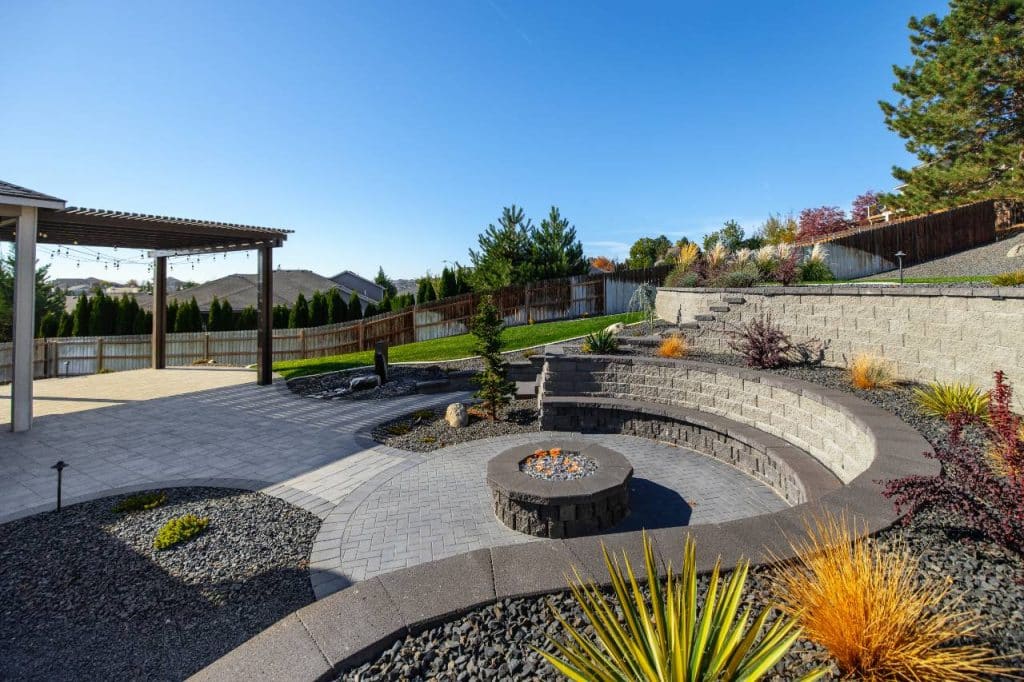
Irrigation systems are also vulnerable. If water remains in the lines when temperatures drop, pipes and valves can freeze and split. This often leads to leaks that go unnoticed until spring.
Protecting Hardscapes and Irrigation Systems
Proactive winter care can prevent costly repairs:
- Inspect hardscapes for cracks before temperatures drop so small repairs can be handled early.
- Keep pathways clear of standing water to reduce freeze-related expansion.
- Winterize irrigation systems by blowing out lines and shutting off exterior valves.
- Consider scheduling a mid-winter check if temperatures fluctuate drastically.
These steps help preserve the structure and longevity of your outdoor features and support healthier landscaping maintenance heading into spring.
How Professional Landscaping Maintenance Helps in Winter
Working with a professional team gives homeowners peace of mind during the coldest months of the year. Skilled landscapers monitor plant health, watch for drainage issues, and identify early signs of stress that may be difficult to notice.
Winter landscaping maintenance services often include:
- Routine checks on plants, trees, and hardscapes
- Protective treatments that reduce freeze damage
- Soil evaluations and drainage assessments
- Recommendations based on your property’s specific needs
Professional support throughout the winter season keeps your landscape in better condition and reduces the risk of long-term problems.
Final Thoughts
Winter brings unique challenges for homeowners in Eastern Washington. But early preparation and ongoing care make a meaningful difference. Understanding how cold weather affects plants, soil, trees, lawns, and hardscapes helps you take steps that protect your yard and support healthier growth in spring. Want to protect your landscape this winter? Contact Musser Landscaping to schedule professional winter maintenance and keep your yard healthy now and through spring.