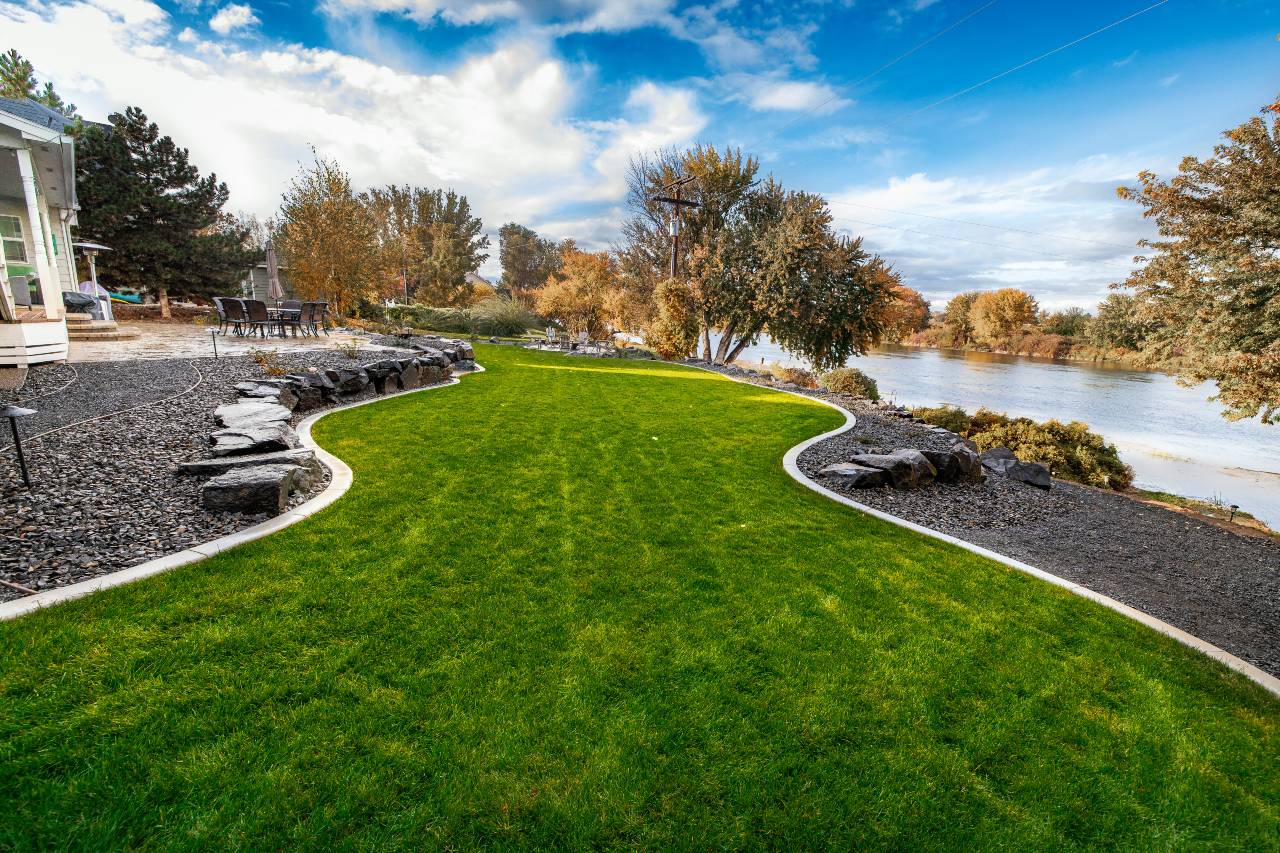
Whether you are a new homeowner or looking to make landscaping maintenance improvements, taking proactive steps through spring, summer, fall, and winter protects your investment in professional landscaping and ensures long-term curb appeal. Let us share with you our practical, season-by-season landscaping maintenance tips that help homeowners preserve the beauty and functionality of their landscape design.
Why Does Seasonal Landscaping Maintenance Matter?
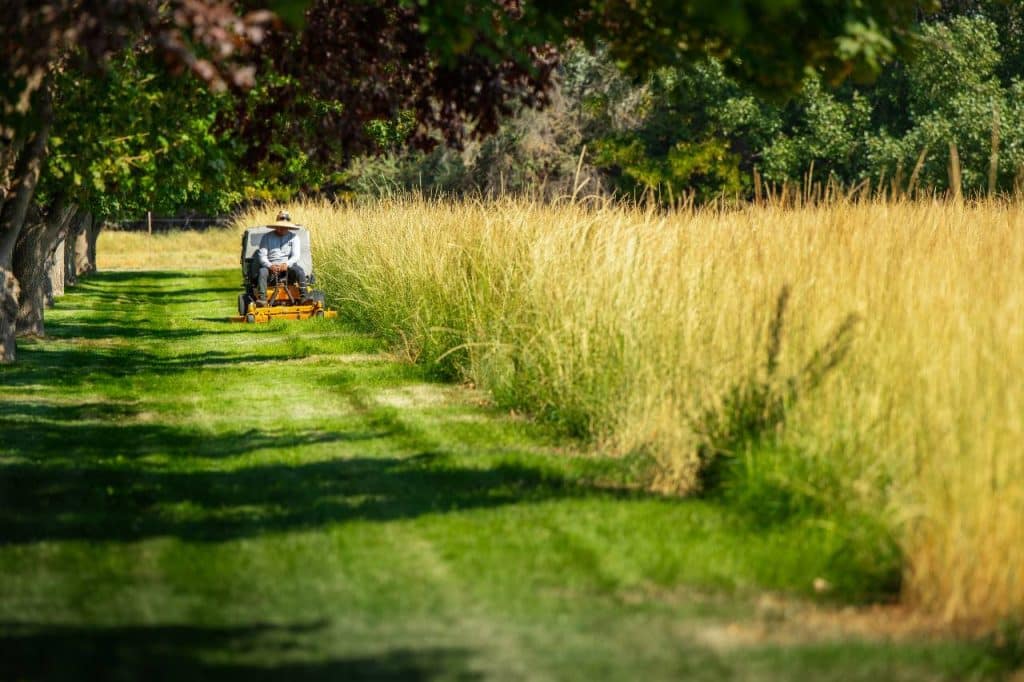
While it would be nice if we could perform the same routine landscaping maintenance all year round, that is not how Mother Nature works. Weather patterns, plant growth cycles, and maintenance timing influence the health and appearance of a landscape design. That is why customizing your landscaping maintenance to each season is essential to protect and improve your property value.
Spring Maintenance
As nature awakens from its slumber, we too must rise to the call. The actions you take in spring set the foundations for the health and beauty of your property for the rest of the year. First and foremost, it is essential to clear away the last remnants of winter. This means cleaning up debris and repairing any storm damage that may have occurred during the colder months.
Once you have a ready slate, you can take your preparation steps. This includes pruning, mulching, fertilizing, seeding, and maybe early planting. Of course, you will want to perform irrigation system checks and address any hardscaping elements before investing in new planting.
New growth for plants, grass, and trees also means new growth for weeds. If not managed carefully, weed growth can get out of hand quickly in the spring. Consistent attention and action are necessary to prevent weeds from choking out your preferred landscape design.
Summer Maintenance
As we head into summer, protecting our landscaping from the intense heat of the Tri-Cities is a designated task. Depending on your landscape design, you will need to modify your mowing and water schedules accordingly.
For example, if you have extensive grass, you will want to water deeply but infrequently, to receive approximately 1 inch of water per week. Alternatively, if you have a drought-friendly landscape design, you may only need to water once a week. It is vital to consider the species of plants and grass present in your landscape design to ensure that each plant receives adequate water, preventing heat stress.
Pro Tip: Young plants and trees need more water than mature ones, as they haven’t yet had time to establish deep root systems. Therefore, if you have new landscaping, be sure to modify accordingly.
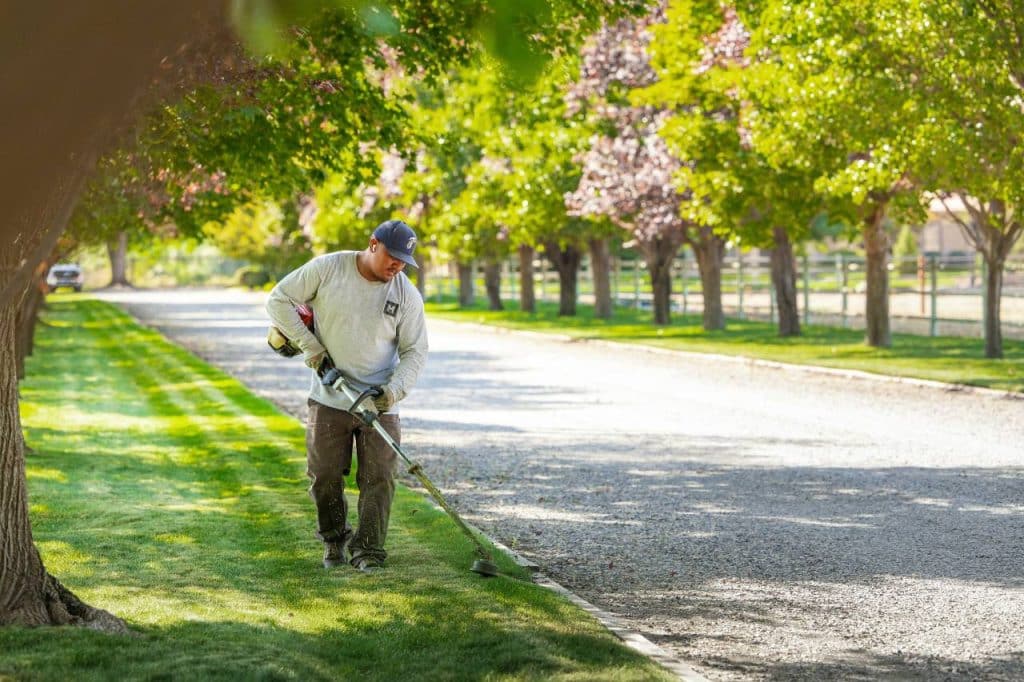
In addition to watering, summer can often lead to pest problems, as critters flock to homes or seek refuge in backyards. Having a pest control schedule in place is crucial for protecting your family, pets, and home.
Fall Maintenance
As temperatures start to cool, one’s landscaping maintenance becomes easier, but it isn’t over. Fall is a vital season for strengthening landscapes before winter.
One of the first steps to take in fall landscaping maintenance is leaf cleanup. While the reds, oranges, and yellows of the cascading leaves are relaxing, we cannot let them linger on the ground for too long. Doing so can lead to a thick pileup that blocks sunlight, air, and water from reaching the grass below, weakening it and making it susceptible to disease.
While maintaining regular leaf clean-up, fall is the ideal time to perform aeration and overseeding. This lays the groundwork for next spring by encouraging deeper root growth and filling in bare patches with new seed.
Equally important is preparing plants for dormancy. Adding a fresh layer of mulch helps insulate root systems from freezing temperatures, while gradually decreasing water use allows plants to harden off naturally. You may also want to consider a strategic fall pruning plan for certain trees and shrubs to help them achieve dormancy more efficiently.
Winter Maintenance
As the chilly season comes to town, it may be tempting to slack off on your landscaping maintenance. While we all want to snuggle up inside, winter demands we protect our landscaping.
First, you will want to defend your property from freezing temperatures, snow, and ice. To do this, we suggest wrapping young trees and shrubs in burlap, applying insulating mulch around root zones, and considering windbreaks for especially vulnerable species.
If you expect a particularly harsh freeze or heavy snow and have vulnerable plants outside, consider providing temporary protection with blankets, towels, or fabric coverings to shield them. This will protect them from the freezing air by creating an insulated pocket. Of course, you will want to remove them during the day to let sunshine and warmth in.
Next, you will want to minimize damage to your lawn and gardens. When it freezes, don’t go on the grass, as it can snap the blades. Additionally, try to minimize de-icers or salt from getting onto your landscaping. If possible, we suggest switching to sand or sawdust as an eco-friendly alternative. Plus, be mindful when shoveling snow that you do not scratch up hardscapes or damage landscaping; we always suggest using a snow blower instead.
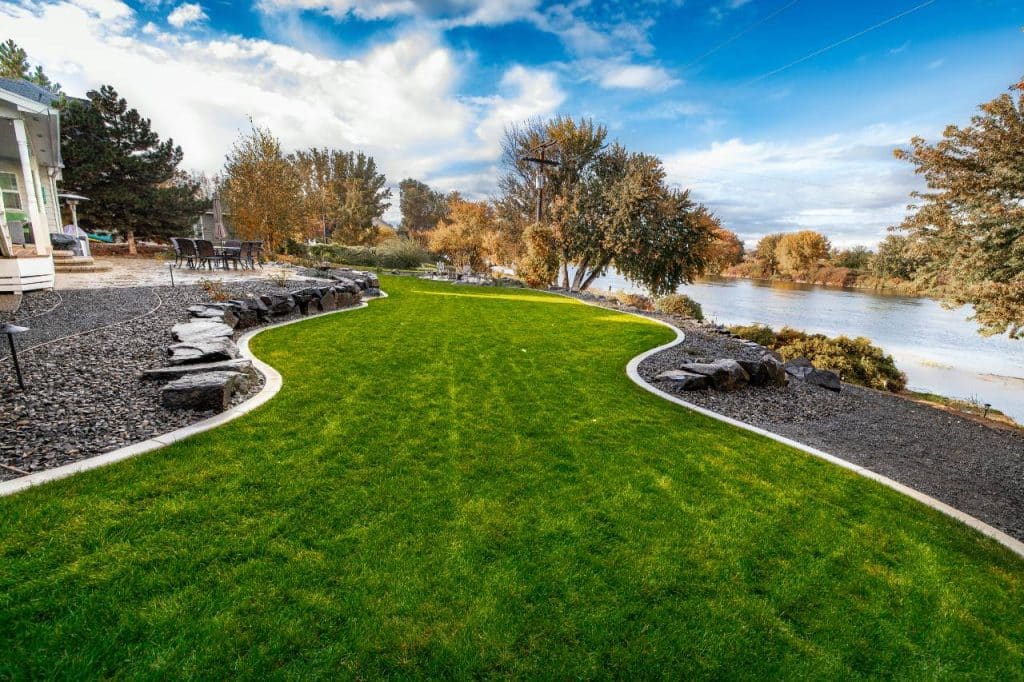
Additionally, if you have a hardscape, it is crucial to protect it. Freezing temperatures, snow, and ice can cause damage to patios, retaining walls, and walkways. Regularly clear snow, avoid harsh chemicals, and routinely check for damage such as cracks.
Finally, use this slower season for planning updates. If you plan to update your landscape design in the spring, now is the perfect time to get it underway. We suggest using this quiet time to consult with landscape designers, set your blueprints, book your schedule, and order materials. Spring comes quickly, and you don’t want to have to compete with everyone else scrambling to prepare their ideas at the last minute.
How Musser Landscaping Supports Homeowners with Seasonal Landscaping Maintenance
When it comes to seasonal landscaping maintenance, it takes extensive time and effort. Rather than wasting your weekends toiling in the yard, you can protect your investment with year-round care. Contact Musser Landscaping today to schedule seasonal landscaping maintenance and keep your design looking its best in every season.