Residential landscaping priorities are changing nowadays. Many homeowners are looking for outdoor spaces that look polished and welcoming without requiring constant upkeep.
Between busy schedules, rising water costs, and seasonal demands, traditional lawn care can feel like a full-time commitment. The average American spends over 384 hours in their lifetime just moving their lawns.
Water conservation has also become a growing concern, especially in regions affected by drought or usage restrictions. Even here in Washington, Benton Conservation District’s mission has been to encourage wiser stewardship of all natural resources, including water.
Natural grass often requires frequent irrigation to stay green through summer, increasing utility bills and environmental strain.
On top of that, regular mowing, fertilizing, pruning, and repairs add to the ongoing demands of landscape maintenance.
Synthetic turf has emerged as a practical alternative for homeowners who want a clean, consistent yard with less maintenance. When thoughtfully integrated into residential landscaping, turf can reduce water use, simplify upkeep, and support long-term outdoor design goals.
What Is Synthetic Turf?
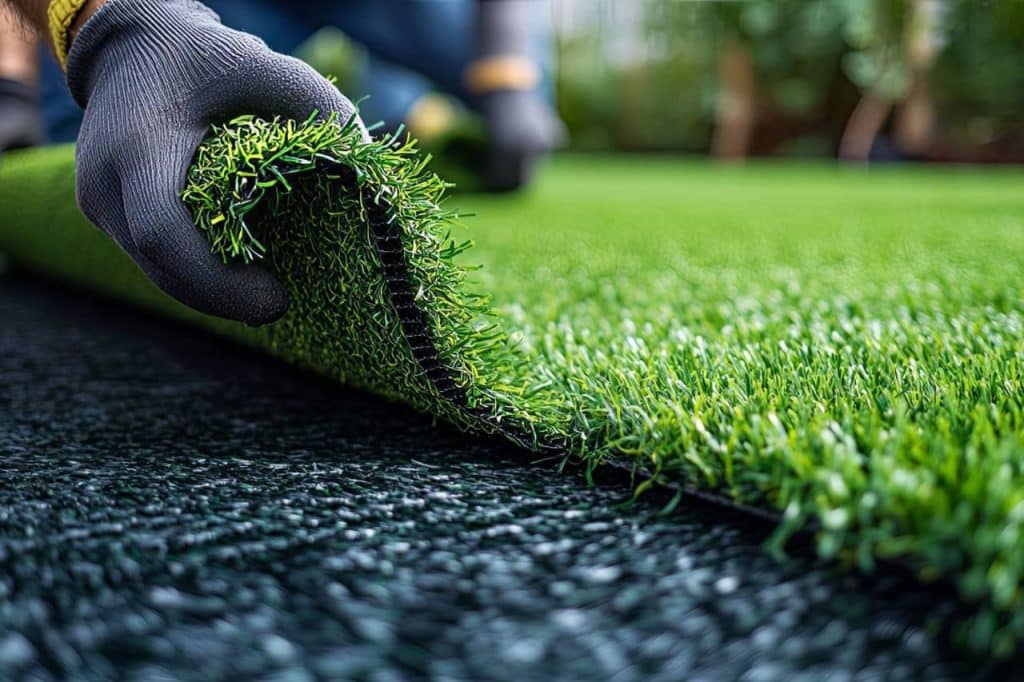
Synthetic turf is a manufactured surface designed to replicate the look and feel of natural grass. Modern turf systems use advanced fibers, backing materials, and infill layers to create realistic texture and color variation.
Early artificial grass products were often stiff, brightly colored, and poorly drained. Today’s systems are significantly different. Modern artificial grass is softer underfoot, visually natural, and engineered for durability and drainage.
Proper installation is extremely important. Turf systems are installed over a prepared base that typically includes compacted soil, aggregate layers, and drainage components. This structure helps prevent erosion, supports long-term performance, and allows water to move efficiently through the ground.
Advancements in fiber technology have also improved how turf reflects light and maintains a natural green appearance throughout the year, even in challenging climates.
Key Benefits of Synthetic Turf
Synthetic turf offers several practical advantages for homeowners looking to simplify landscaping maintenance without sacrificing appearance or usability.
✔ Reduced Landscaping Maintenance
One of the most appealing benefits of synthetic turf is reduced maintenance. Not only do many homeowners spend hours a week on their lawn, but about one in four Americans report not feeling confident in their lawn care.
With synthetic turf, there’s no lawn mowing, fertilizing, reseeding, or regular pruning associated with grass areas. Homeowners can maintain a neat appearance without the recurring demands of traditional lawn care.
✔ Water Conservation
Synthetic turf dramatically reduces irrigation needs. Unlike natural grass, turf does not rely on watering to maintain healthy growth. This makes it especially suitable for dry regions or areas experiencing drought conditions, helping conserve water while maintaining usable outdoor spaces.
✔ Consistent Appearance
A turf lawn stays green year round. There are no brown patches, muddy areas, or worn paths caused by foot traffic. This consistency supports curb appeal and creates a reliable foundation for surrounding plants, gardens, trees, and shrubs.
✔ Durability
Modern turf is designed to withstand heavy use. It holds up well under foot traffic from children, pets, and gatherings, making it a dependable choice for active yards and shared outdoor spaces.
Comparing Synthetic Turf vs Natural Grass

When deciding between synthetic turf and natural grass, you need to know the differences in maintenance, cost, and long-term performance. This can help you choose the option that best fits your lifestyle and landscape goals.
Maintenance Requirements
Natural grass requires regular mowing, seasonal fertilization, watering, and ongoing repair. Turf, by comparison, only needs occasional cleaning and light brushing to maintain its appearance.
Long-Term Costs
While synthetic turf has an upfront installation cost, natural grass carries recurring expenses tied to lawn care, water usage, fertilizer, and repair. Over time, turf can reduce long-term landscaping maintenance costs.
Environmental Considerations
Turf significantly lowers water use and eliminates the need for fertilizers and pesticides. This reduction supports soil stability and limits nutrient runoff that can affect the surrounding environment.
Comfort & Aesthetic Factors
Modern turf is designed to feel soft underfoot while maintaining a clean, natural look. When paired with mulch, plants, and hardscaping, it can complement traditional landscaping elements.
Ideal Applications in Residential Landscaping
Synthetic turf works well in a variety of residential settings, including:
- Backyard play areas
- Pet runs
- Side yards with limited access
- Poolside spaces where mud is a concern
- Accent areas combined with stone, mulch, or gardens
These applications allow homeowners to reduce maintenance while maintaining functional and visually appealing yards.
Installation Considerations
As mentioned earlier, proper installation is a key element of turf longevity. Grading and drainage have to be addressed in order to prevent water buildup and uneven surfaces. A well-prepared base supports the turf system and protects the underlying soil.
Choosing the right turf type also matters. Different products are designed for varying levels of traffic, sun exposure, and intended use. Selecting the appropriate option helps maintain performance and appearance over time.
Additionally, professional installation helps avoid common DIY challenges such as poor drainage, uneven seams, and premature wear. Experienced landscaping services understand how to integrate turf with existing plants, trees, and shrubs.
Maintenance of Synthetic Turf
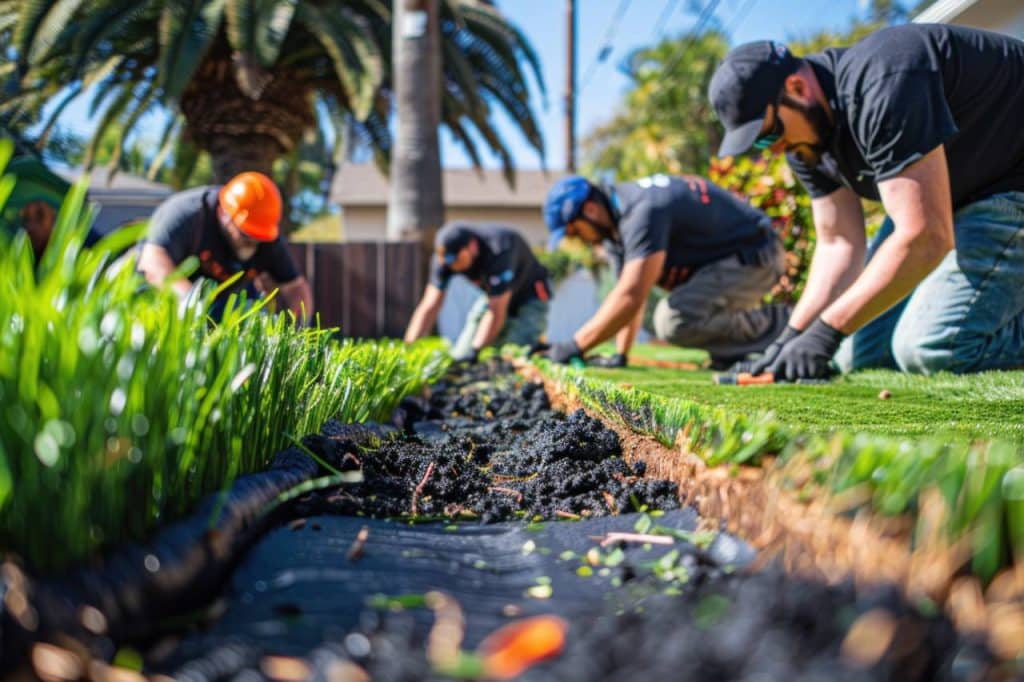
Synthetic turf significantly reduces ongoing maintenance compared to natural grass, but a few simple practices help keep it looking clean and performing well over time.
Routine Rinsing and Surface Cleaning
Occasional rinsing with water helps remove dust, pollen, and everyday debris that can settle on the turf surface. This light cleaning is usually enough to maintain a fresh appearance, especially during dry or dusty seasons.
Brushing to Maintain Fiber Structure
Brushing the turf fibers periodically helps keep them upright and evenly distributed. This is particularly helpful in high-traffic areas where foot traffic may flatten the surface over time.
Managing Leaves and Organic Debris
Leaves, twigs, and other organic material should be cleared regularly to prevent buildup along turf edges. Removing debris helps maintain proper drainage and keeps the surrounding areas neat.
Preventative Care Around Edges and Borders
Maintaining clean borders around turf areas supports a polished look and helps protect nearby mulch beds, gardens, and plants. Light pruning, edging, and general landscape maintenance around turf transitions contribute to overall plant health and long-term performance.
Addressing Common Concerns
Homeowners often ask about heat retention. The answer is yes, turf can feel warmer than natural grass in direct sun, though shading from trees or design planning can help manage temperature.
Other important things to know: Modern turf systems are built for long lifespans, often lasting many years with proper installation and care. They are also designed to be safe for children and pets, with drainage systems that handle heavy rain effectively.
Is Synthetic Turf Right for Your Home?
Choosing turf depends on lifestyle, budget, and long-term goals. Busy families may appreciate reduced maintenance, while others may prefer blending turf with natural plants and gardens.
Synthetic turf works best when it complements the overall landscaping design rather than replacing all green space. Thoughtful planning helps balance aesthetics, usability, and maintenance preferences while supporting property value.
Explore a Lower-Maintenance Landscape
Synthetic turf can be a smart solution for homeowners who want a cleaner look with less ongoing landscape maintenance. When planned correctly, it reduces water use, simplifies upkeep, and integrates flawlessly with existing plants, gardens, trees, and hardscape features.
At Musser Landscaping, we help homeowners evaluate where synthetic turf makes sense and where traditional landscaping may still be the better choice. With careful planning, proper installation, and attention to long-term performance, turf can enhance your yard’s appearance and support your property’s overall goals. Contact Musser Landscaping to discuss your residential landscaping needs and determine whether synthetic turf is the right fit for your yard, lifestyle, and long-term maintenance plans.